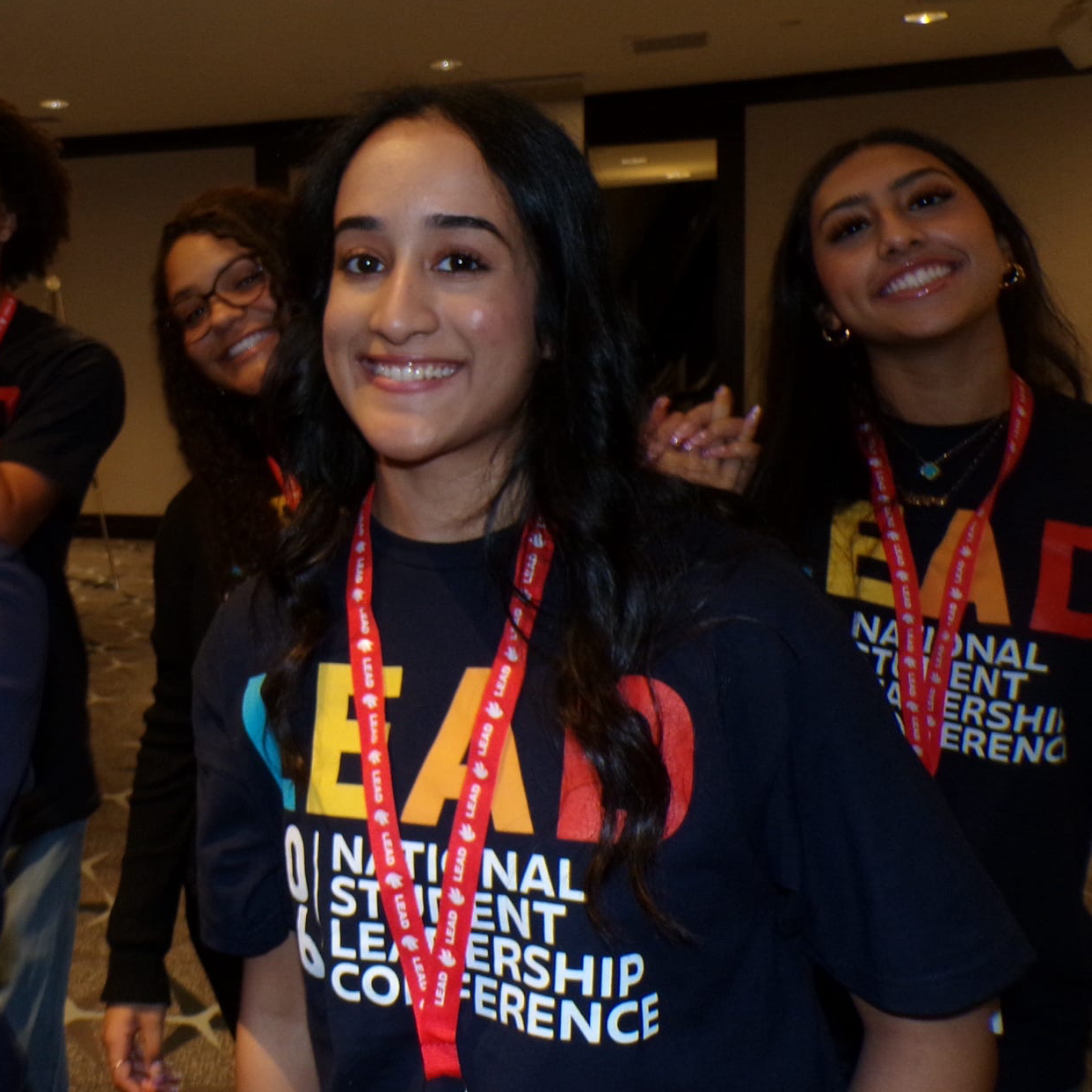

As students, we are frequently told, “You are the leaders of tomorrow.” Although a lovely sentiment, it ignores the fact that we are also the leaders of today. I used to passively accept that “tomorrow” timeline from others. However, it was not until I returned from the LEAD Conference earlier this month, carrying much more than I anticipated, that I truly understood the significance of leading in the present.
When I first learned about LEAD, NASSP’s student leadership conference, I knew I needed to attend. I was eager to connect with peers from across the globe and learn from experts who have devoted their careers to the study of leadership. I have always believed that leadership is both a science and an art. I did not expect that the most valuable lessons I brought home would be symbolized by tangible objects that fit in the palm of my hand.
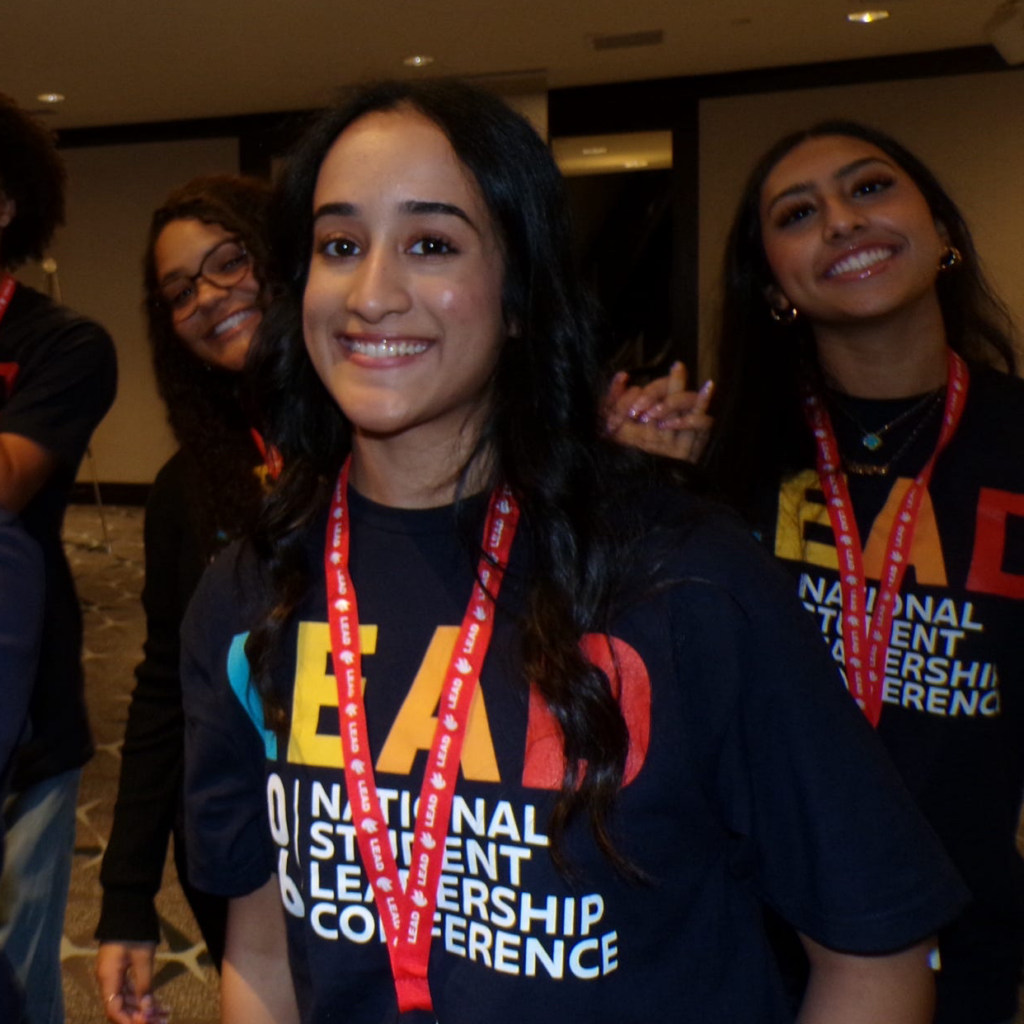
The first object was a pin. At LEAD, trading pins is a long-standing tradition that occasionally borders on a competitive sport. Attendees bring pins from their home states to swap as a way of building connections. As a first-time attendee, I had to overcome my instinct to stay quiet and instead challenged myself to initiate conversations with strangers. Through these interactions, I met student leaders with brilliant ideas and bright minds. Each exchange taught me something about the person across from me and helped me refine my own networking skills. The pin I kept is from a student I met from California. It remains on my lanyard as a reminder of how many versions of leadership exist across this country.
The second object was a pen from a bilingual workshop I almost skipped. While I originally signed up for a different session, I saw a room with a smaller group that I was drawn to. As the room gradually filled with students from Puerto Rico, Mexico, and Guam, they shared stories about obstacles at their schools that I had never previously considered. Their vulnerability made me reflect on students at my own school who move to the United States and feel isolated. It turns out that navigating a new country, a new language, and a new identity is slightly more complicated than a one-day orientation can fix. That pen is a daily reminder that leadership is about more than the people already in the room; it is about advocating for those who feel they are outside of it and making them feel welcome.
The third item was a piece of paper: my action plan. LEAD instilled in me a sense of urgency regarding service. Giving back to the communities that supported our journey to the conference is essential. Hearing about the service projects at other schools was the kind of inspiration that actually lasts past the plane ride home. Beyond just listening, I sat down, drafted a concrete plan for a service project, and received constructive feedback from my peers. I returned home with a physical roadmap rather than just a vague, “I should probably do something” feeling.
A pin, a pen, and an action plan. I went to LEAD expecting the standard “good leaders have good communication” platitudes. Instead, I returned with three concrete reminders to connect with others, support those on the margins, and turn inspiration into actual labor. The beauty of a conference like LEAD is that every attendee walks away with a different set of tools tailored to their own community. For me, it was the realization that leadership is not a future state to wait for. It is found in every conversation, every inclusive decision, and every step taken in the present.