
When I was a kid in the 1990’s, late August meant spending as many of those final summer days at the pool as possible, until the evening classes were posted. Then it was time to run to the school, see which of my friends were in my class, and then try to convince my parents to spring for a pair of L.A. Lights or Reebok Pumps at the shoe store. Back then, I thought most of my peers could afford new pencils, a back-to-school haircut, and breakfast.
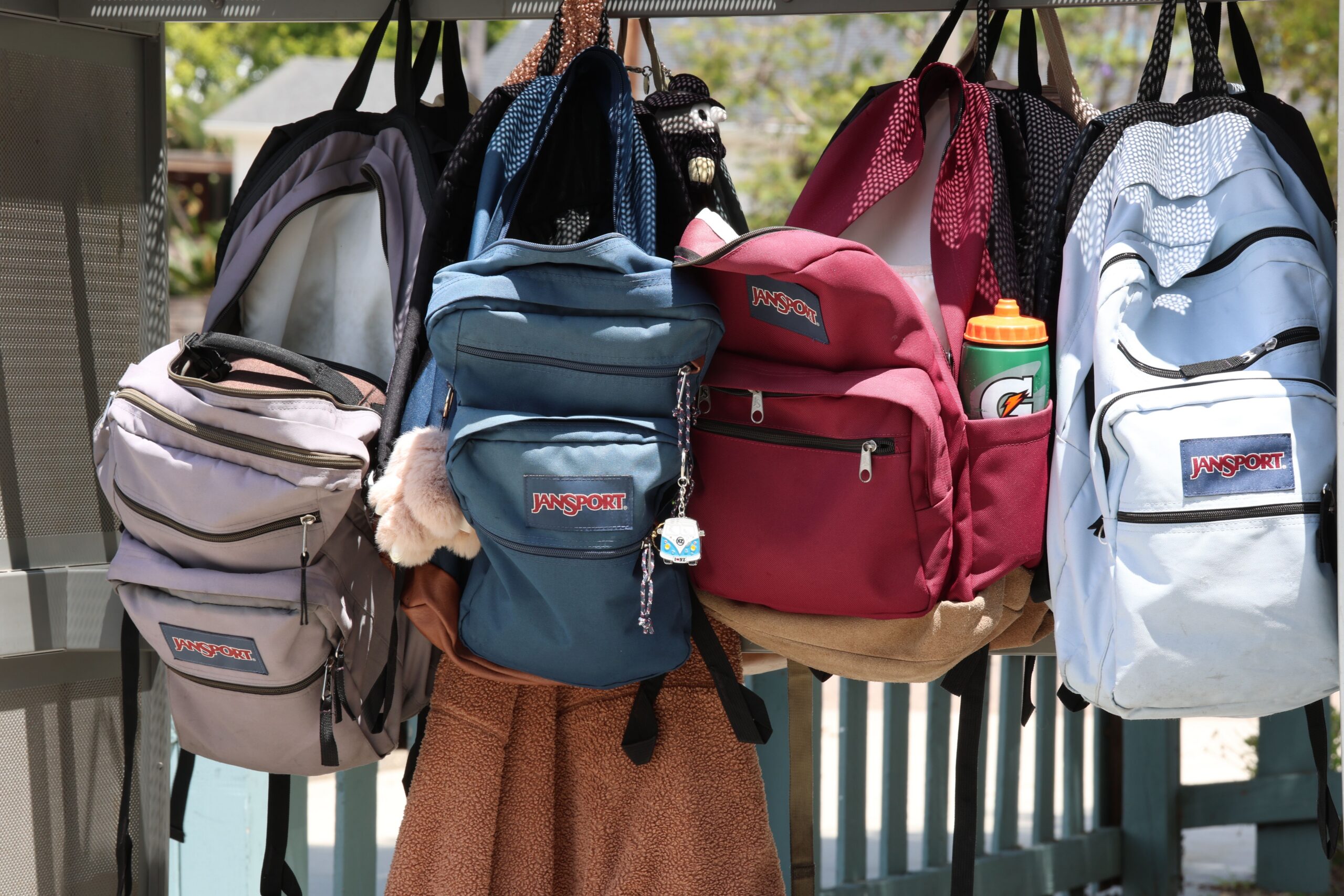
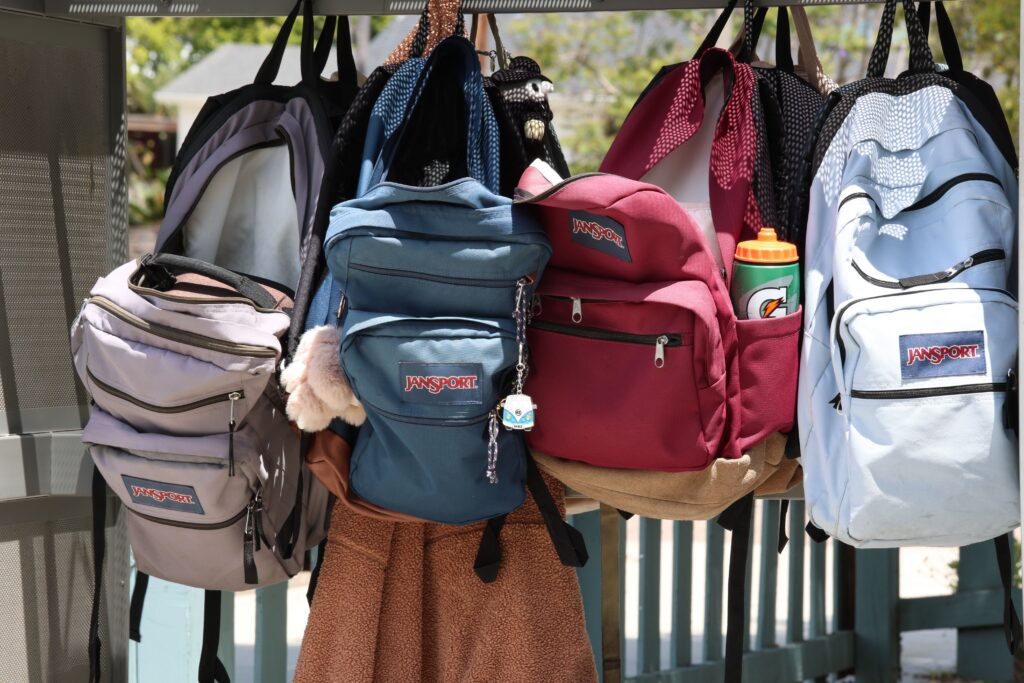
Today, as the freshman principal of Springboro High School in Springboro, OH, I am intimately aware of our most vulnerable students, many of whom don’t have their basic needs met at home. Here in Warren County—between Dayton and Cincinnati—we are also seeing an increase in such students. With costs rising, school supplies are near the bottom of the list when it comes to rent versus shoes, backpacks, and No. 2 pencils.
While it’s tough to see families struggling, increased awareness also brings hope, positivity, and the human urge to help and support those who are less fortunate. Here’s my advice for principals to make sure students have what they need.
1. Know Your Community
Our school’s director of mental health (now serving concurrently on our city council) founded the Springboro Community Assistance Center, which is now run from one of our district buildings. It includes a food pantry twice a month, which is a great way for us to get to know our community a bit more. Because it’s not directly related to school, a conversation there can be a safe way to connect with families whose students may have academic, social, emotional, or financial needs.
2. Say Yes
Many parents want to help. Often, they attend back-to-school nights and hint that if teachers need anything, they would be happy to assist. Saying yes to donations like backpacks, pencils, school supplies, and new towels can make a difference to a student who may not have those at home. Often, parents leverage their own social media accounts to spread the word and amplify the good they do. Our ability to work with these generous individuals directly and discretely to maintain privacy is paramount to our impact and success.
3. Utilize Existing Resources
Last year, we had a student who clearly didn’t have access to a laundry or maybe even a shower at home. He was one of our identified students with special needs and was in a life skills class that helped with laundry for our sports team. We encouraged him to bring in his clothes to wash with the teams’ laundry and let him know he was welcome to use the school facilities whenever he needed them. The more we can normalize these offerings, the more comfortable students will feel asking for support.
4. Let Students Lead
During the holidays last year, one of our students volunteered to hold a sock drive during the holidays. What resulted was a huge donation of new socks, towels, and underwear that teachers and guidance counselors were able to pass on to students. Thanksgiving food drives and competitions to see which class can put together the best meal with nonperishable goods have also been a lot of fun. More importantly, these efforts empower our students to know that they have a voice—and that voice can make a difference for their peers.